
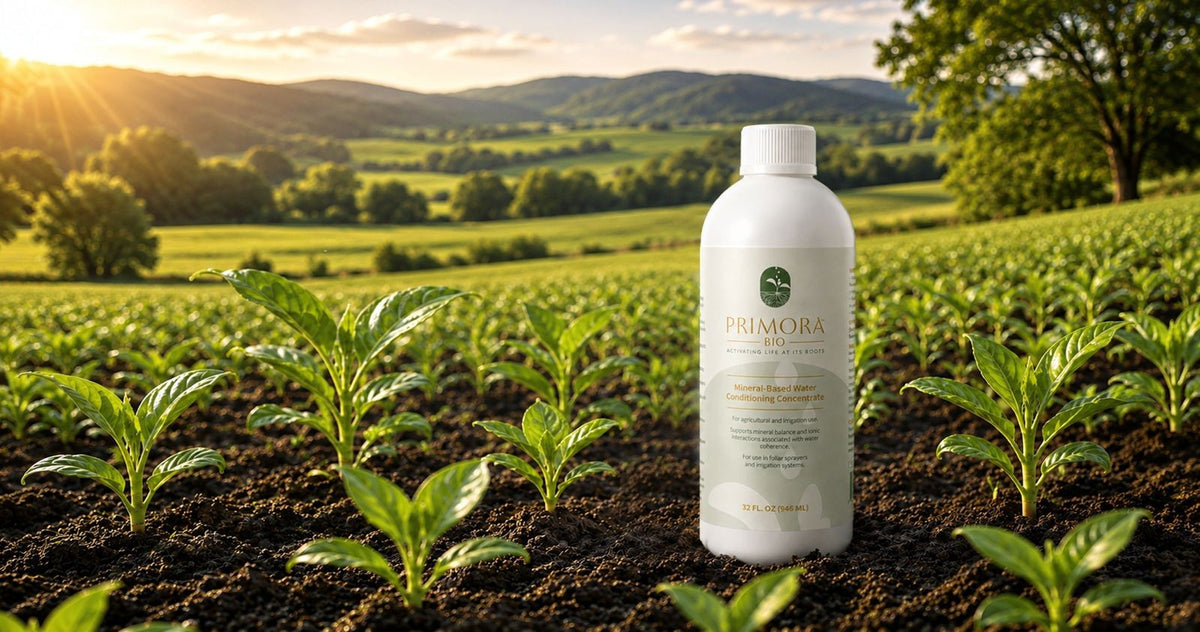
Volcanic mineral water conditioner
Supercharge your water. Watch everything grow.
Primora Bio is a catalytic aqueous mineral solution composed of 29 elements drawn from volcanic rock. Added at a trace dose, it charges the water you already use, so nutrients move more freely, roots take up more minerals and photosynthesis increases. Growers report faster growth, sweeter fruit and bigger harvests.
What it does to your water
- Binds contaminants
- Improves ion exchange
- Supports redox reactions
- Strengthens hydration shells
- A new lawn filled in within 8 days. The seed bag said 14 to 21.
- Up to 70% higher Brix reported in strawberries
- 15–38% higher yields reported across six crops
Works through the watering can, hose, sprayer or drip line you already own. Results are as reported; sources and limits are on the evidence page.
Not just more. Sooner.
Everything grows. Treated water makes it grow faster.
A lawn, a basil plant and a commercial eel pond don’t have much in common. All three were growing in treated water, and all three got there early.
A home lawn
8 days
to cover bare ground in green grass
Seeded at the start of May and sprayed three times in the first week. Every morning, she said, she had a coffee and watched it grow.
Grower photographs · see the lawn
A commercial eel pond
½ the time
to reach market size, sold at a premium price
Denser stocking, a higher selling price, and water quality that held up under heavier feeding.
Hamamatsu, Japan, 1990 · commercial reports · details
A basil race
18 days
for two identical plants to pull visibly apart
By day eighteen the treated plant was taller, greener, denser and stiffer, as if the minerals already in the soil had become easier to reach.
Grower photographs · see both plants
Growers commonly report visible change in vigor, canopy and leaf color within two to four weeks.
The lawn and basil are photographs sent in by growers, not controlled trials. The eel result comes from working commercial ponds, and the premium-price figure from the inventor’s own nursery. How to read each one is on the evidence page.
The diagnosis
Nothing was lost. Everything just stopped moving.
Your field still holds the minerals it always did. A soil test will show them. What changed is the water they move in.
Irrigation water has been altered three times over. Overpumping drew wells down into deeper, older, more mineralized ground, and pulled seawater inland along the coasts. From above, a century of fertilizer and irrigation laid down its own residue of salts and nitrate. Then modern treatment stripped out much of what survived. It arrives at the field chemically unrecognizable from the water agriculture ran on for ten thousand years.
On a farm it arrives slowly enough to be accepted as the new normal. Salts accumulate until a crop runs dry in visibly wet ground. Sodium crowds calcium and magnesium off the clay and water stops soaking in. Carbonate chemistry climbs, and the minerals lock up.
20×
rise in synthetic nitrogen use in the second half of the twentieth century
Glyphosate rose roughly fifteenfold between 1995 and 2014. All of it moves through the same soil water.
262M acres
of cropland degraded by salinization
An area the size of Texas and California together. Under intensively farmed land, over half of shallow groundwater samples now exceed the nitrate limit for drinking water.
4 staples
with yield growth stalling — maize, wheat, rice and soybean
Maize, wheat and rice peaked region by region across the 1990s, and 24–39% of harvested area for the four great staples is now stagnant or falling. Rice — the thirstiest crop we grow — is slowing fastest, now 0.63% a year.
−50%
iron in fruit and vegetables, part of a broad decline in mineral content since 1940
In UK produce every mineral measured has fallen but one: copper 49%, sodium 52%, magnesium 10%. Adjusted for moisture, so it is not simply that produce holds more water.
In the national numbers it looks like nothing at all — yields still rise, just by less each decade, and a slope that is merely flattening alarms no one.

The record
One restoration of the water. Thirteen biological systems, all moving the same way.
Before any of the chemistry, here is the thing that has to be explained.
A fertilizer feeds. A fungicide kills. Biochar feeds microbes. Every input agriculture has ever used acts on one or two parts of the system, rarely if ever more — and you can say in advance which. Primora Bio behaves differently: reported effects across thirteen systems at once, from the seed as it germinates to the water standing in the field, and past agriculture altogether into fouled water and the animals of a pond.

31% less immature grain
UNDP pilot with Seoul National University, 2000, on salt-damaged coastal tideland. Clean grain rose 17%, harvested ears 16.8%.
15–38% higher yields
Reported across rice, strawberry, potato, tea, tomato and onion — six unrelated crops, the same direction.
40% more photosynthetic activity
Measured as electron transport rate, in controlled dose–response testing.
70% higher Brix in strawberries
8.8° to about 15° — ordinary commercial fruit into the premium band where prices climb sharply. Table grapes rose 16% and potato starch 17%.
50% less pesticide in plant tissue
Average across trials. The strongest ran past 80% — residue bound to the mineral instead of taken up.
58% more iron in sprouts
Peer-reviewed, Food Chemistry, 2008. Zinc rose 32% and copper 21% in buckwheat sprout tissue, with measurably better antioxidant activity.
No input produces this many effects, because an input acts on the parts. Primora Bio acts on the conditions the parts share.
See the full evidence — sources, study grades, and how to read the record
Figures are reported results from named field trials and controlled testing, not a guarantee of outcome. Results vary by crop, soil, water chemistry and season. Primora Bio is a water conditioner and is not sold as a fertilizer, pesticide or plant protection product. Sources and study grades are set out in full on the evidence page.
The part that surprises people
A little goes a long way. That's how a catalyst works.
Primora Bio works at trace strength: half an ounce treats five gallons of irrigation water. A catalyst doesn’t need to be there in bulk. It makes the reactions around it run better.
Every element in it came out of one rock, in the proportions that rock held it: twenty-nine of them, measured. In your water they set exchange, electron transfer and mineral movement running, and the plant takes it from there.
It’s also why more is not better. Past the optimum, a catalyst’s effect falls off.

Why this hasn’t been solved
Nothing was lost. Everything just stopped moving.
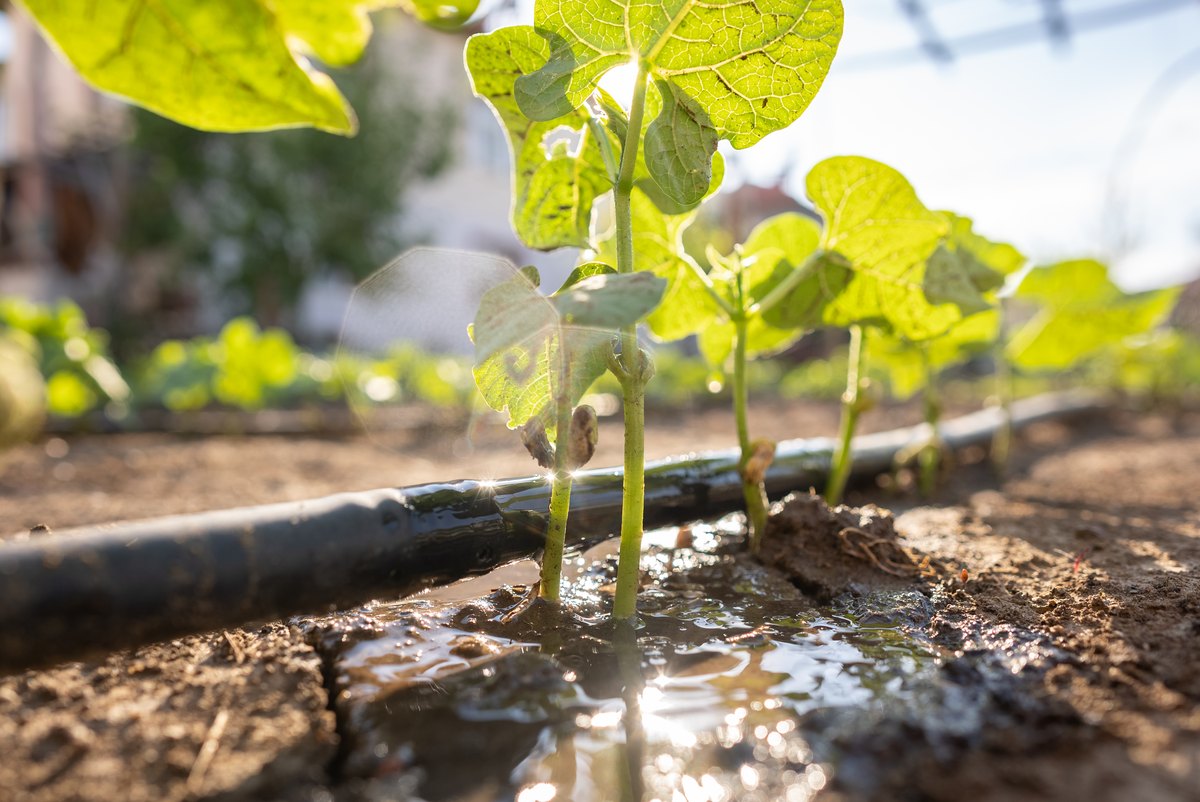
Your soil still holds the minerals it always did. A soil test will show them. What changed is the water they move in.
Every fix for bad water works by taking something out: acid, gypsum, filtration, reverse osmosis. Every input for soil works by adding more. Primora Bio works on the water itself. It binds what shouldn’t be moving and frees what should, and everything that travels through the water starts moving again.
The return
Three mechanisms, one medium.
Everything for your water only removes, everything for your soil only adds, and Primora Bio is the only thing doing both — through water.
It gives back what was stripped out, binds what was forced in, and sets the whole exchange moving again. All three are the same motion, described from three angles.
Hydration
The medium organizes.
A sulfate-dominant solution changes how water organizes around dissolved ions, in the thin layers where nearly all of biology happens.
Redox
Electrons move.
Redox-active minerals shift the water’s electron balance — the property that decides which reactions in the root zone can run and which stall.
Ion exchange
The right minerals move.
Exchange turns selective — nutrient minerals come loose and reach the root, while heavy metals and contaminants bind to the mineral surface and stay where they are.

The discovery
A tree was growing out of a granite boulder. Asao Shimanishi wanted to know how.
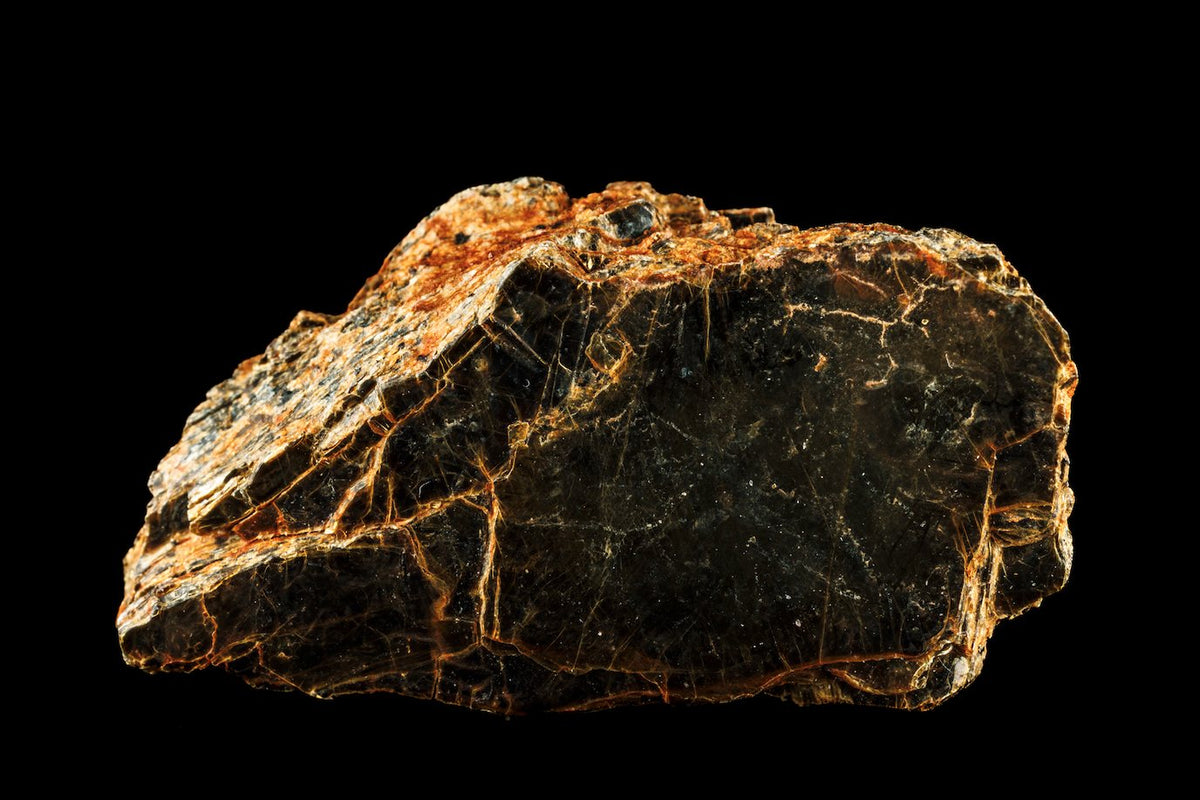
In the 1950s, sitting by the water in post-war Japan, a pharmacist named Asao Shimanishi noticed a tree growing directly out of a granite boulder. No soil — just a crack in the stone, and a trunk rising from it. Where was it feeding? He decided that rainwater pooling in that crack had dissolved a little of the rock, and that stone held a mineral vitality water could release.
Irrigation water no longer makes that passage, wherever it comes from. Shimanishi dedicated fifteen years to devising a method for drawing those minerals back out of a particular volcanic rock: biotite, a black mica carrying a broader spread of elements than almost anything else in the crust. Added back to water, those minerals gave him what he called “Rock-Water.” It is what the bottle makes.
What rock did over centuries, a trace of Shimanishi’s extract does on a tank of irrigation water in hours. Not new water. Charged water.
Simple application
Three steps. That’s it.
Mix into water
Add Primora Bio to your irrigation or spray water at the recommended rate.
Water and spray
Use it at every watering, and as a foliar spray every one to two weeks. It works through the watering can, sprayer and irrigation you already have
Keep going
Used regularly through the season, folded into the watering you already do.
Irrigation: ½ fl oz per 5 gallons, every watering · Foliar: ½ fl oz per gallon, every 1–2 weeks
RO or distilled water takes half the irrigation dose: ½ fl oz per 10 gallons. A 32 fl oz bottle treats about 320 gallons of irrigation water or 64 gallons of spray. Never apply undiluted, and follow the product label. More is not better: this works catalytically, and past the optimum the effect falls off.

The product
Three sizes. One chemistry.
The solution is identical in all three. What changes is how much ground you are treating.
Single bottle
Primora Bio
32 fl oz
$59.99
- Treats ~64 gallons
- Per gallon treated $0.94
- Per fl oz $1.87
A season for most home gardens, or a trial season on a small plot.
Save 15%
Three-bottle bundle
Primora Bio × 3
96 fl oz — three 32 oz bottles
$153.00
$179.97
you save $26.97
- Treats ~192 gallons
- Per gallon treated $0.80
- Per fl oz $1.59
A full season for a large garden, a greenhouse, or a quarter-acre plot.
Save 32%
Bulk
Primora Bio — 2.5 gal
320 fl oz
$404.99
$599.90
you save $194.91
- Treats ~640 gallons
- Per gallon treated $0.63
- Per fl oz $1.27
Field and orchard scale. The lowest cost per gallon we offer.
Coverage: ½ fl oz treats 5 gallons of tap, well or surface water (10 gallons of RO or distilled), or 1 gallon of foliar spray. Rates for every method →
Also from us
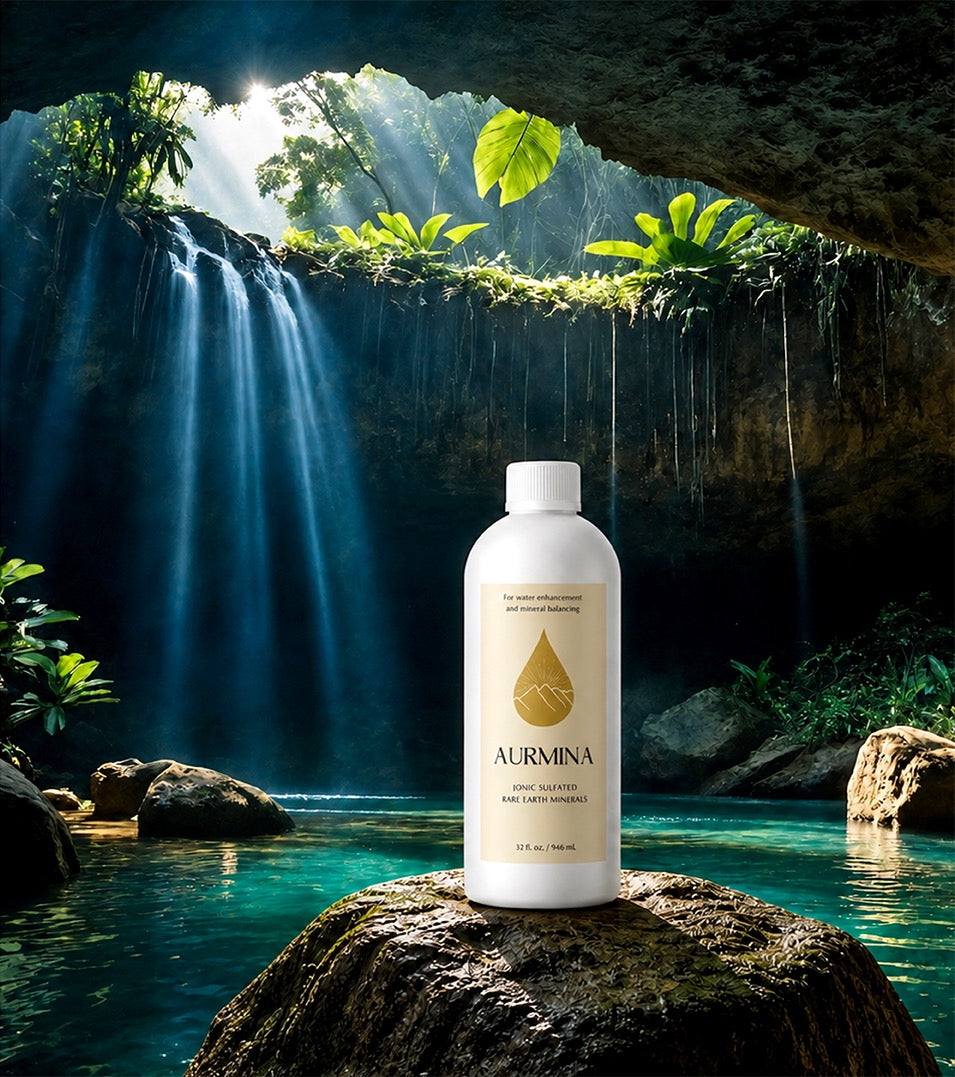
For the water you drink.
The same geological shortcut, run in a glass instead of on a field. Aurmina binds over 245 tested contaminants so they can be filtered out, rather than stripping the water bare of minerals and taste the way reverse osmosis does. Add it, wait, filter. No membranes, no power, no waste. It is the same mineral chemistry, bottled for drinking water.
Folded into the watering you already do.
Every other answer agriculture has offered runs in one direction — more. This one is aimed the other way. One change to the water, at half an ounce to the gallon, through the sprayers and irrigation you already own.